Furnace Disposal in Charlotte, NC
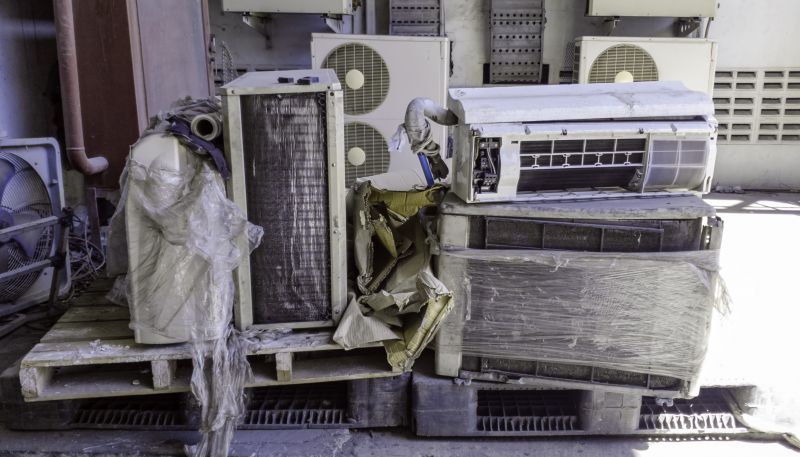
Furnace disposal services involve the removal and proper disposal of outdated, broken, or unused heating units from residential properties. These services typically cover a range of projects, including replacing old furnaces, upgrading to newer models, or clearing out units that are no longer operational. Homeowners often seek this service when upgrading their heating systems or preparing for renovations, ensuring that the old equipment is safely and efficiently removed from the property.
Before requesting furnace disposal, property owners usually want to understand the scope of the removal process, including whether the old unit will be safely disconnected and transported, as well as any requirements for preparing the area. It is also common to inquire about the disposal method to ensure environmentally responsible handling. Clarifying these details helps ensure the project proceeds smoothly and aligns with local disposal regulations.
Many property owners in Charlotte, NC look into Furnace Disposal for repairs, replacements, upgrades, and appearance-related improvements.
Furnace Removal Options
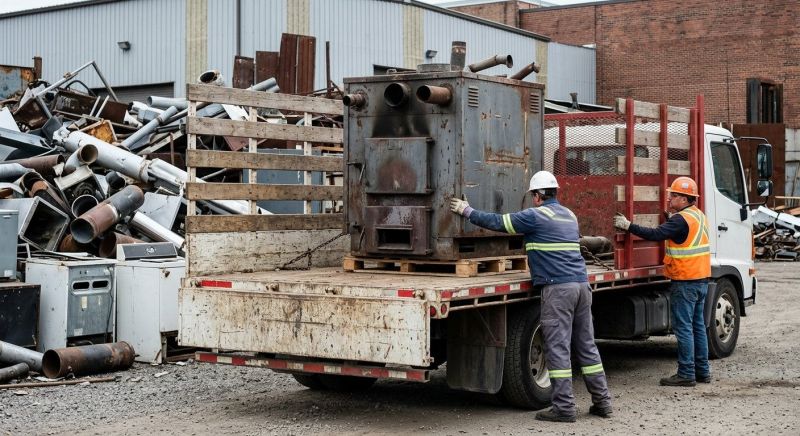
Proper disposal methods ensure safe and efficient removal of outdated or broken furnaces in charlotte homes.
Environmental And Safety Considerations
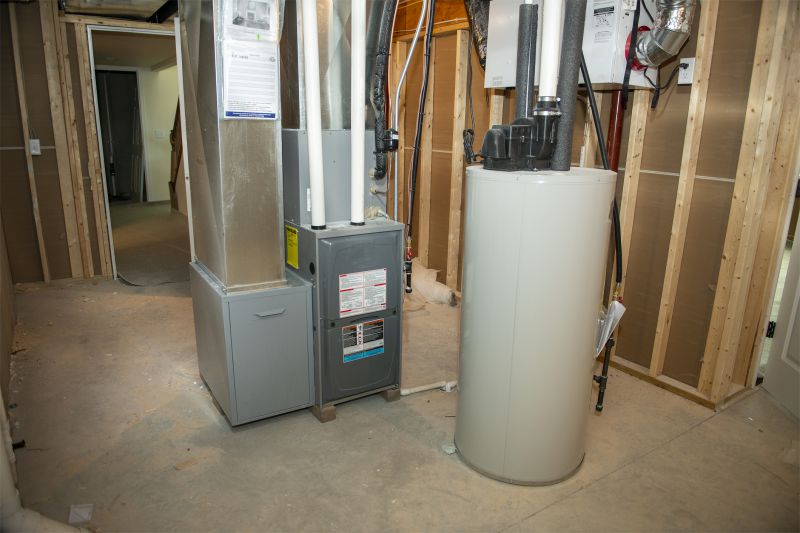
Disposing of old furnaces correctly helps prevent hazardous materials from impacting the community and property.
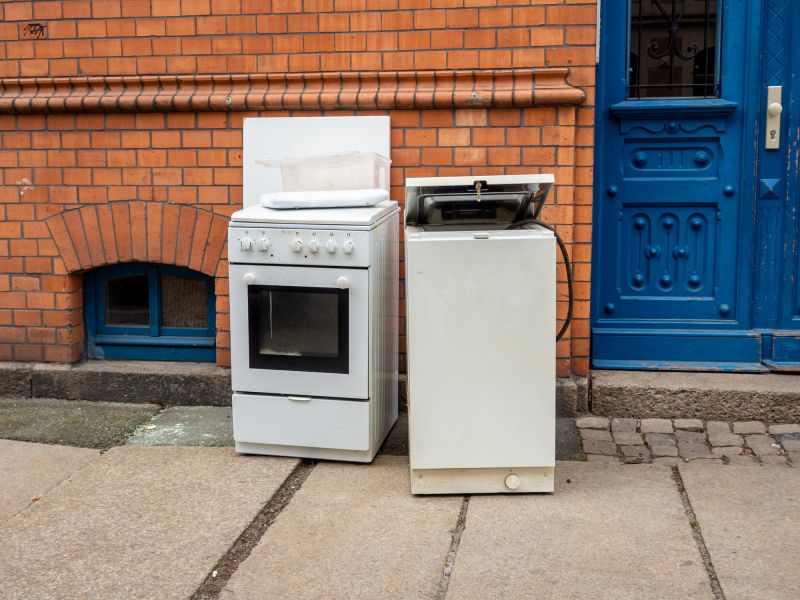
When To Schedule Disposal Services
Furnace disposal is often needed during upgrades, repairs, or when replacing aging heating systems in residential properties.
Furnace Disposal in Charlotte, NC
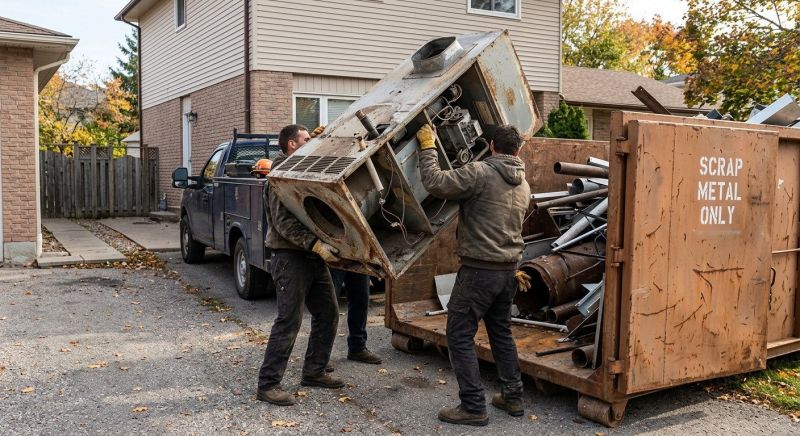
Furnace disposal services involve the removal and proper disposal of outdated, broken, or unused heating units from residential properties. These services typically cover a range of projects, including replacing old furnaces, upgrading to newer models, or clearing out units that are no longer operational. Homeowners often seek this service when upgrading their heating systems or preparing for renovations, ensuring that the old equipment is safely and efficiently removed from the property.
Before requesting furnace disposal, property owners usually want to understand the scope of the removal process, including whether the old unit will be safely disconnected and transported, as well as any requirements for preparing the area. It is also common to inquire about the disposal method to ensure environmentally responsible handling. Clarifying these details helps ensure the project proceeds smoothly and aligns with local disposal regulations.
Many property owners in Charlotte, NC look into Furnace Disposal for repairs, replacements, upgrades, and appearance-related improvements.
Common Furnace Disposal Jobs
Furnace Removal - safely disconnects and removes outdated or broken heating units.
Decommissioning Services - prepares old furnaces for proper disposal and recycling.
Emergency Disposal - handles urgent furnace removal due to system failure or safety concerns.
Environmental Disposal - ensures proper handling of furnace components containing hazardous materials.
Deconstruction Projects - includes partial or complete removal of furnaces during renovation or upgrades.
Old Equipment Disposal - manages the removal and responsible disposal of outdated heating systems.
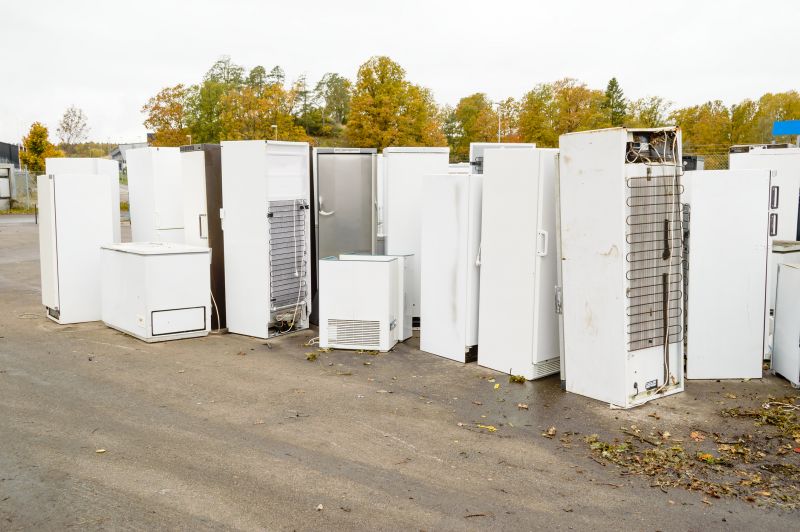
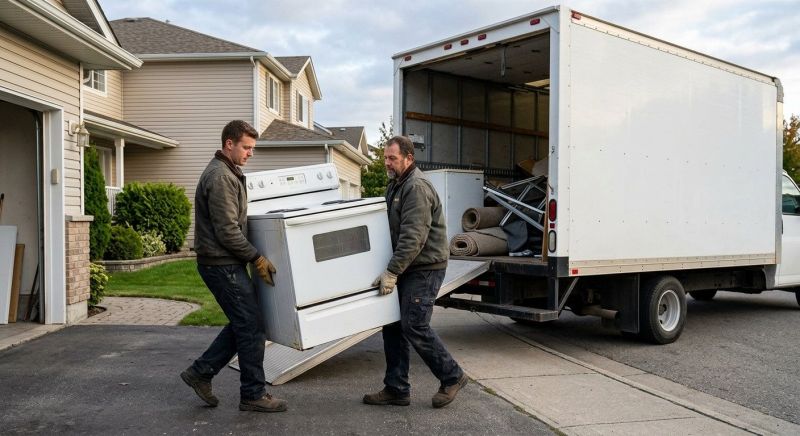
Furnace Disposal Questions
What types of furnaces can be disposed of? Disposal services typically handle various types of residential and commercial furnaces, including gas, electric, and oil models.
Is there any preparation needed before disposal? Property owners should ensure the furnace is disconnected from power and gas supplies before disposal services are scheduled.
Where is furnace disposal usually performed? Disposal is generally carried out at the property site, with removal from indoor or outdoor locations as needed.
What are common reasons for furnace disposal? Furnaces are often disposed of when upgrading, replacing faulty units, or clearing out outdated heating systems.
Request Furnace Disposal in Charlotte, NC
Use the quote form on this page to share the basics of your project and request more information for the type of work you need.